






 Mahishasura feared no man… forgot women









As Ma Durga Arrived: Pujo Memories from a Grandmother's Heart
Hello readers,
At 4 AM sharp on Mahalaya, Birendra Krishna Bhadra's voice
crackles through every Bengali home like divine thunder.
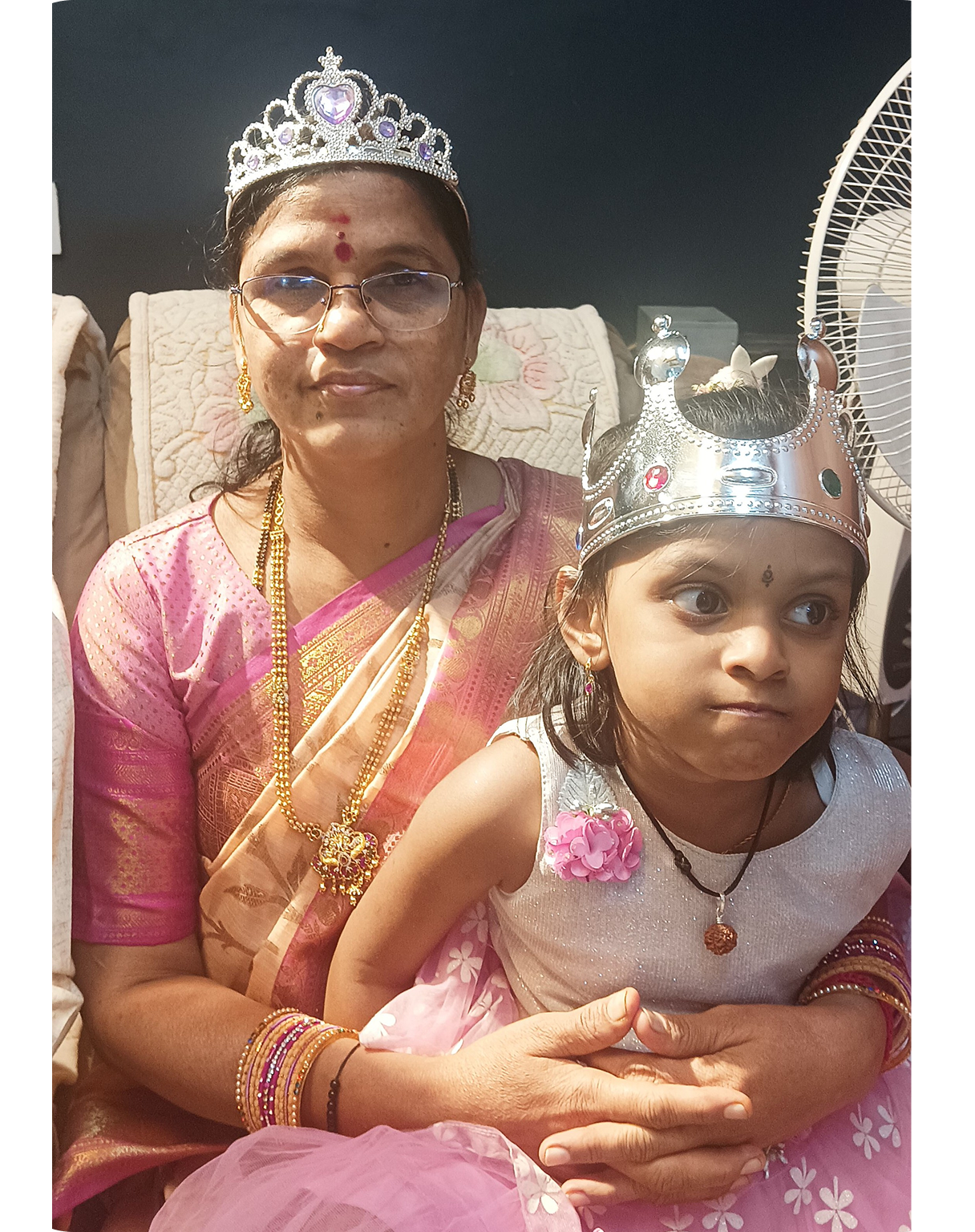
"Shunchho? Ma ashchhen!" my grandmother would tell me with
ecstasy. “Today, the Goddess packs her bags in Kailash!" she'd
announce, eyes twinkling as if sharing the universe's biggest
secret. “The scent of shiuli phool on crisp mornings, the sound of
dhaak floating from afar in my days- it was Pujo before Pujo had
even begun!”
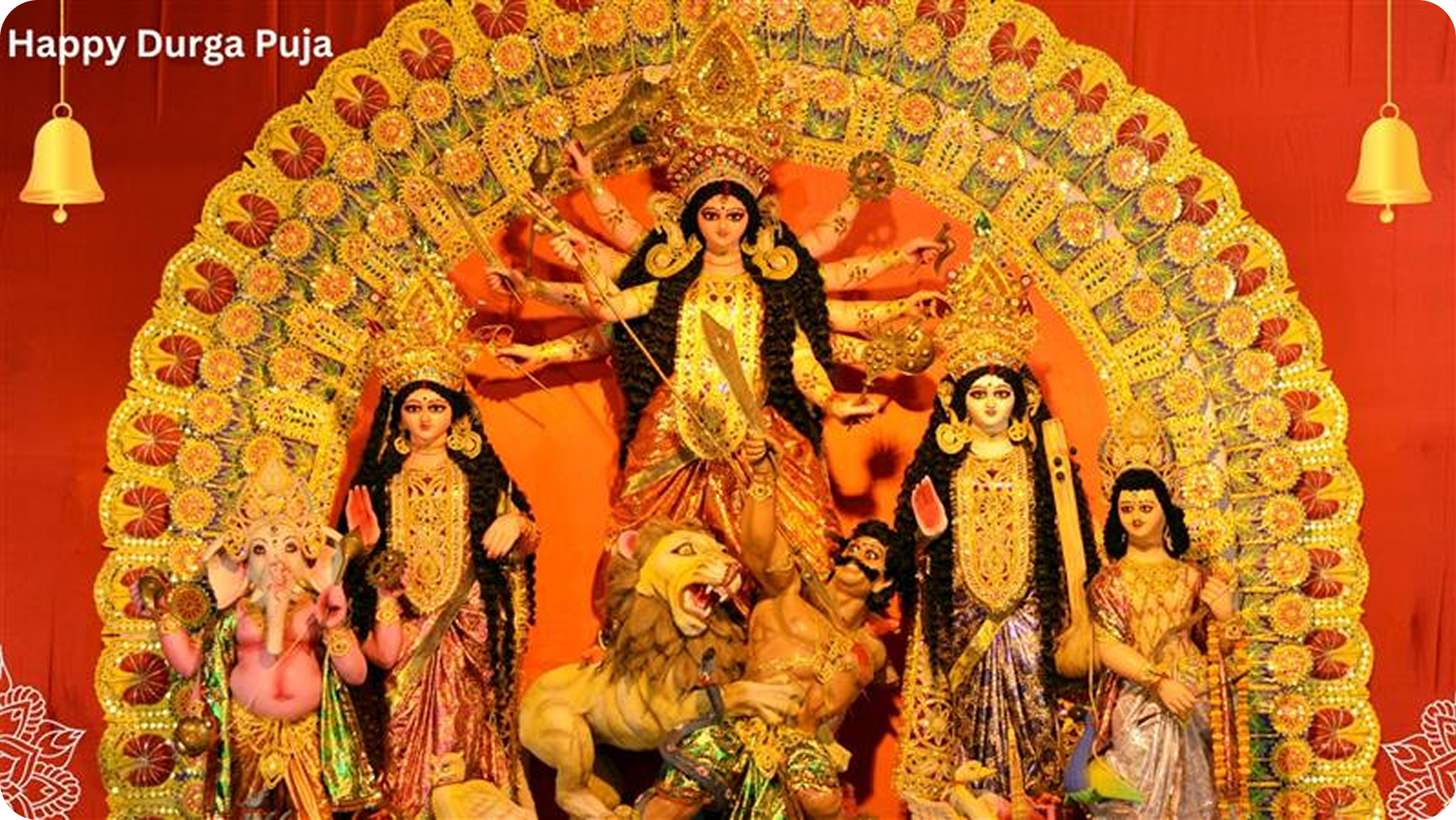
“Did you know the Kumartuli artisans begin shaping Durga idols
right after Rath Yatra?” Thakuma insists that's when Pujo truly
starts. But here's what amazed everyone: those stunning clay eyes
painted last in the chokkhu daan ritual-"Until then, she's just
clay, dear!" And of course, no story is complete without
pushpanjali, where we kids giggled mid-prayer, only to be silenced
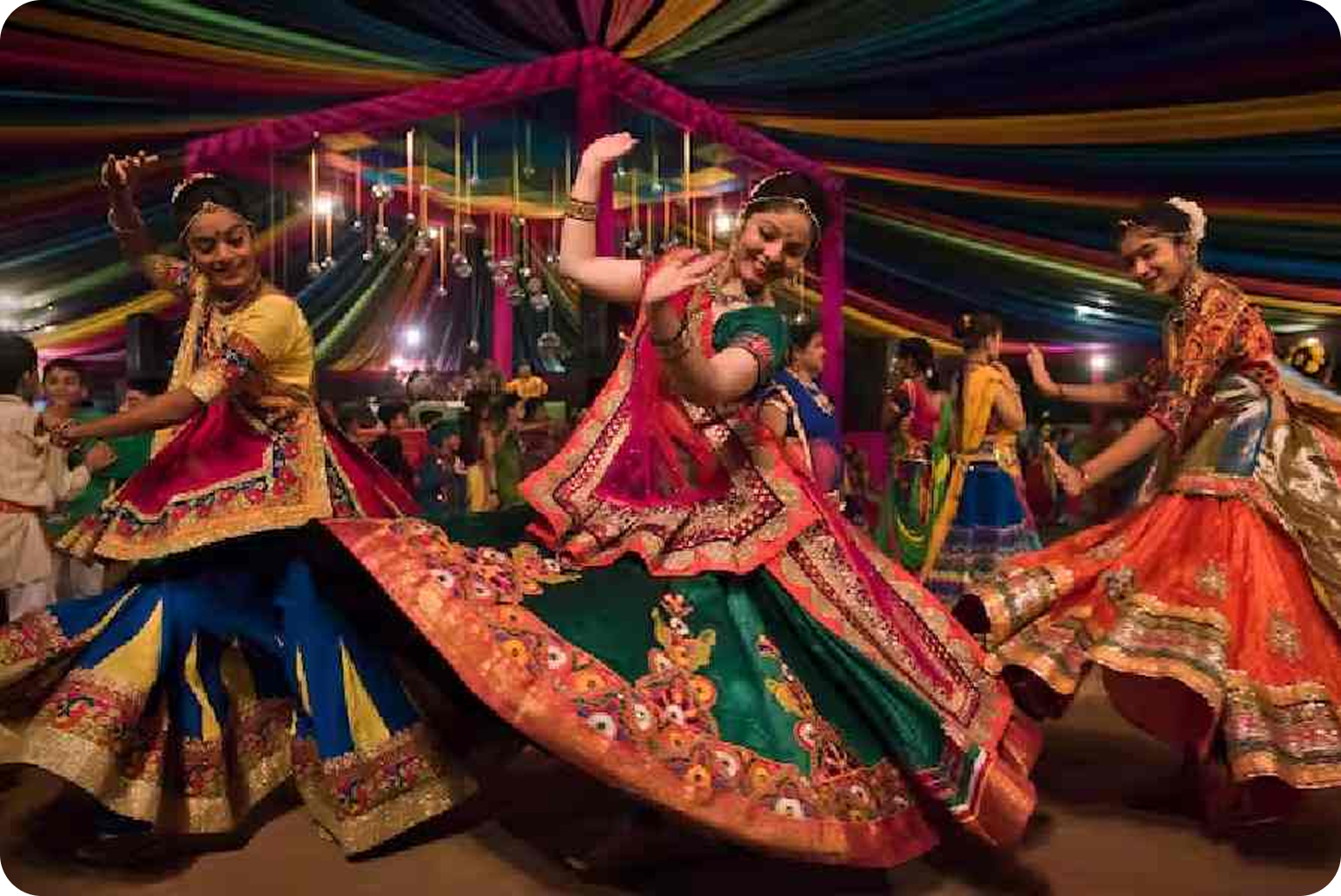
with a glare. Today, as pandals dazzle with lights and DJs mix in
with dhunuchi naach, I carry these memories with me, reminders
that Pujo is not just celebration, but a heartbeat passed through
generations. And every year when Ma arrives, I can still hear her
whisper, "Dekho, Ma phire eshechhen!"(Look, Ma has come back
home!), adding “When are you coming?”
“Shunchho? Ma ashchhen”- Listen, the goddess is arriving, Mahalaya- First day of Durga Puja, Shiuli Phool – Shiuli flower, Dhaak- a drum-like musical instrument you hear in pandals, Thakuma- Grandmother, Chokkhu Daan- The ceremony of painting the eyes of Durga idols, Pushpanjali- A grand aarti/ritual performed on the 8th day of Durga Puja, Dhunuchi Naach- A dance style involving coconut husks being burnt to create sacred smoke clouds